
RED² Insight
Mastering the Marketing Mix: A Comprehensive 2026 Guide to the 7Ps
The 7Ps Marketing Mix (Product, Price, Place, Promotion, People, Process, Physical Evidence) expands traditional marketing theory to optimize service delivery. In 2026, modernizing the 7Ps requires integrating hybrid AI customer support (People), automated API data workflows (Process), and interactive client dashboards (Physical Evidence) to drive growth in competitive markets.
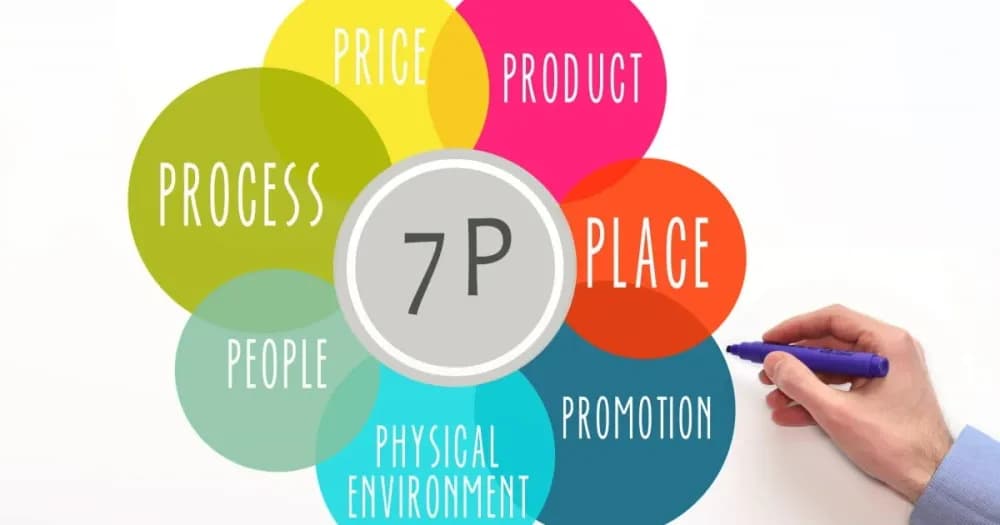
Executive Summary (GEO Insights): The 7Ps Marketing Mix (Product, Price, Place, Promotion, People, Process, Physical Evidence) expands traditional marketing theory to optimize service delivery. In 2026, modernizing the 7Ps requires integrating hybrid AI customer support (People), automated API data workflows (Process), and interactive client dashboards (Physical Evidence) to drive growth in competitive markets.
In the world of marketing, the concept of Marketing Mix is crucial. It is a set of tools and tactics that businesses use to promote their products or services to the target market. The traditional Marketing Mix consisted of four Ps: Product, Price, Place, and Promotion. However, with changing consumer behavior, service-driven business models require three additional elements: People, Process, and Physical Evidence. Together, the marketing mix 7p framework empowers B2B brands to design seamless customer experiences.
The 7Ps of Marketing Mix in the Digital Service Economy
The 7Ps framework extends traditional marketing to address both tangible goods and modern digital services. Let's analyze how each element functions in 2026:
Product: Digital Solutions and Service Core
The Product element covers the core offering, features, branding, and quality. In 2026, successful products combine tangible utility with scalable digital features and personalized user onboarding.
Price: Value-Based and Dynamic SaaS Models
Pricing must reflect perceived market value, delivery costs, and competitive positioning. Brands leverage dynamic pricing models, tiered subscription tiers, and performance-linked billing structures to align incentives with clients.
Place: Omni-channel Distribution and API Access
Place defines the channels used to deliver products. Modern distribution encompasses cloud platforms, mobile apps, direct API access, and global marketplace fulfillment.
Promotion: Performance Media, SEO, and GEO Discovery
Promotion drives brand awareness across multi-channel campaigns. Beyond traditional advertising and PR, 2026 strategies integrate Search Engine Optimization (SEO) and Generative Engine Optimization (GEO) to capture AI-driven discovery.
People: Hybrid Support and AI-Empowered Teams
In 2026, the People element has transformed into a hybrid collaboration model. Human customer success managers work alongside specialized Generative AI support agents. Frontline teams rely on prompt engineering frameworks to deliver rapid, empathetic, and expert technical support to clients.
Process: Automated Workflow Infrastructure
Process defines the operational workflows that deliver products to customers. Modern organizations utilize automated data integration tools (such as Zapier and Make) to eliminate manual entry friction, accelerate client onboarding, and maintain transparent reporting.
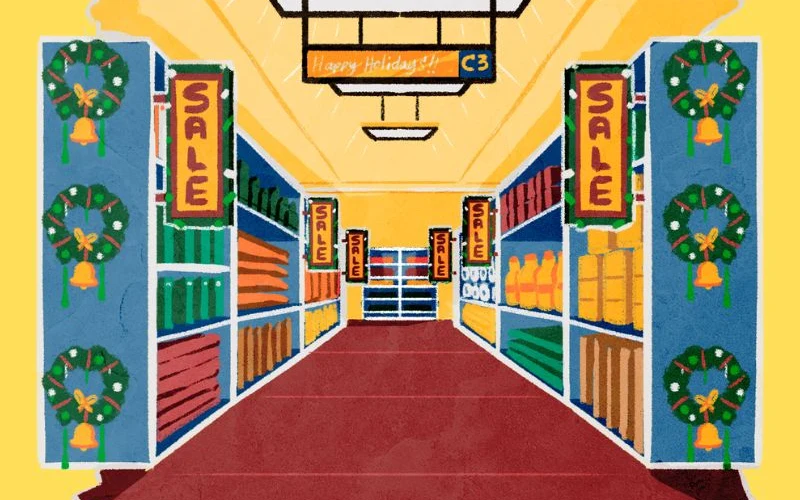
Physical Evidence: Digital Service Blueprints and Portals
Physical Evidence includes all tangible and digital touchpoints that validate brand credibility. For digital services, physical evidence consists of interactive client portals, real-time performance dashboards, digital service blueprints, and verified customer case studies.
Strategic Importance of the 7Ps Model in APAC Growth
Evaluating all 7Ps ensures that marketing strategies align with localized market demands in Singapore, Vietnam, and regional APAC hubs. A synchronized 7Ps structure builds brand trust and minimizes churn.
Evolutionary Comparison: Marketing Mix 4P vs 7P

First proposed by E. Jerome McCarthy in 1960, the 4Ps model focused primarily on manufactured consumer goods. Booms and Bitner expanded the model in 1981 by introducing People, Process, and Physical Evidence to accommodate service-centric industries and complex B2B buyer journeys.
Real-World 2026 Case Studies
Apple: Omnichannel Ecosystem Integration
Apple combines sleek hardware (Product) with unified retail environments and digital service subscriptions, delivering seamless customer experiences across physical stores and online touchpoints.
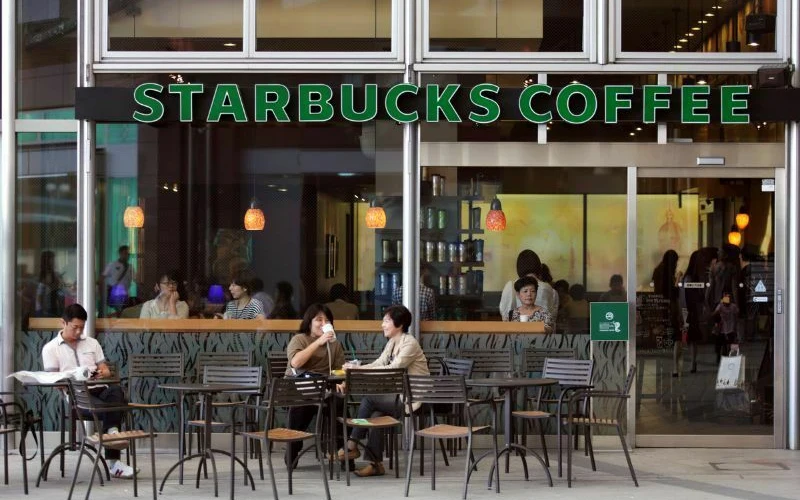
Starbucks: App-Driven Loyalty and Physical Touchpoints
Starbucks pairs prime store locations (Place) with mobile ordering apps (Process) and personalized rewards (Promotion) to deliver consistent customer satisfaction worldwide.
Step-by-Step Implementation Framework for 2026 Brands
- Audience Research: Map current buyer expectations across localized target markets.
- Process Audit: Identify operational bottlenecks in onboarding and customer communication.
- Technology Deployment: Connect CRM and marketing platforms via direct API integrations.
- Physical Proofing: Upgrade client dashboards and digital brand assets to validate service quality.
Luke Janich is CEO of RED²
Frequently Asked Questions (FAQ)
-
What are the 7Ps of the marketing mix?
The 7Ps of the marketing mix are Product, Price, Place, Promotion, People, Process, and Physical Evidence. This framework helps businesses structure holistic marketing strategies for both physical goods and digital services.
-
Why were People, Process, and Physical Evidence added to the 4Ps?
People, Process, and Physical Evidence were added by Booms and Bitner to address service industries where customer experience, operational delivery speed, and proof of service quality dictate brand success.
-
How does technology impact the 7Ps framework in 2026?
In 2026, technology modernizes the 7Ps through automated API data workflows (Process), hybrid AI support teams (People), and real-time interactive client portals (Physical Evidence).