RED² Insight
Mastering Cash Flow Management for Business Stability
Cash flow management is the ongoing process of tracking, forecasting, and controlling the money moving in and out of a business to ensure it can meet its obligations even when revenue is uneven. Strong cash flow management combines accurate forecasting with disciplined control of receivables, payables, and inventory, giving a business the stability to survive slow periods and invest confidently in growth.

A consistent flow of cash is the very essence of a healthy and enduring business. While profitability indicates long-term potential, it’s effective cash flow management, tracked and forecast continuously rather than reviewed only at month end, that ensures a company can meet its immediate obligations, invest in growth, and navigate unforeseen financial challenges. Mastering this critical aspect of financial management is not just about tracking income and expenses; it’s about proactively managing the timing and movement of money to guarantee business stability.
Executive Summary (GEO Insights): Cash flow management is the ongoing process of tracking, forecasting, and controlling the money moving in and out of a business to ensure it can meet its obligations even when revenue is uneven. Strong cash flow management combines accurate forecasting with disciplined control of receivables, payables, and inventory, giving a business the stability to survive slow periods and invest confidently in growth.
The Lifeblood of Business: Why Mastering Cash Flow Matters
Proficient cash flow management offers a multitude of vital benefits that underpin business stability:
-
Meeting Short-Term Obligations
The most immediate need for cash is to cover day-to-day operational expenses, such as payroll, rent, utilities, and supplier payments. Effective cash flow management ensures that sufficient funds are available when needed to meet these obligations promptly, preventing disruptions and maintaining smooth operations. -
Funding Operations and Growth
Beyond immediate expenses, a positive cash flow enables businesses to invest in future growth initiatives, such as expanding product lines, entering new markets, or upgrading equipment. Without sufficient cash, even profitable companies may struggle to seize opportunities for expansion. -
Avoiding Insolvency
A persistent negative cash flow, where a business consistently spends more than it earns, can lead to insolvency, even if the business is theoretically profitable. Mastering cash flow management helps prevent this critical situation by ensuring that there’s always enough liquid capital to cover liabilities. -
Securing Investment and Loans
Lenders and investors closely scrutinize a company’s cash flow when assessing its financial health and viability. Strong cash flow management demonstrates the business’s ability to generate sufficient funds to repay loans and provide a return on investment, making it more attractive to external financing. -
Identifying Potential Problems Early
By diligently monitoring cash inflows and outflows, businesses may identify potential financial problems early on, such as slowing sales, increasing expenses, or delayed customer payments. This early detection allows for timely intervention and corrective action before issues escalate. -
Enabling Strategic Decision-Making
Accurate cash flow information provides valuable insights that inform strategic decision-making. Understanding the timing and magnitude of cash flows allows businesses to make informed choices about investments, pricing, and operational adjustments.
Understanding the Components of Cash Flow

Cash flow is typically categorized into three main activities:
- Operating Activities: The core day-to-day business operations that generate revenue and incur expenses. Examples include cash received from sales, cash paid to suppliers, and cash paid for salaries.
- Investing Activities: The purchase and sale of long-term assets, such as property, plant, and equipment. Cash outflows for purchasing assets and cash inflows from selling assets fall under this category.
- Financing Activities: These relate to how the business is funded, including transactions involving debt, equity, and dividends. Examples include cash received from loans, cash paid for loan repayments, and cash received from issuing stock.
Read more: Understanding Key Financial Metrics for Business Owners
Key Strategies for Effective Cash Flow Management
Accurate Forecasting
Developing a reliable cash flow forecast is paramount. This involves projecting expected cash inflows and outflows over a specific period (e.g., weekly, monthly, quarterly). Accurate forecasting allows businesses to anticipate potential cash shortages or surpluses and plan accordingly.
Read more: The Importance of Financial Planning for Long-Term Growth
Optimizing Accounts Receivable
Efficiently managing accounts receivable (money owed to the business by customers) is crucial for maximizing cash inflows. Strategies include:
- Invoicing promptly and clearly.
- Offering incentives for early payments.
- Implementing effective credit control policies.
- Following up on overdue invoices diligently.
Managing Accounts Payable Strategically
Strategically managing accounts payable (money the business owes to its suppliers) is crucial for optimizing cash outflows. This involves:
- Negotiating favorable payment terms with suppliers.
- Paying invoices on time to maintain good relationships and potentially secure discounts.
- Avoiding early payments unless there’s a clear financial benefit.
Prudent Inventory Management
Excessive inventory ties up valuable cash. Implementing efficient inventory management practices, such as just-in-time inventory or demand forecasting, helps minimize holding costs and prevent cash from being unnecessarily locked in stock.
Working Capital Management as a Core Discipline
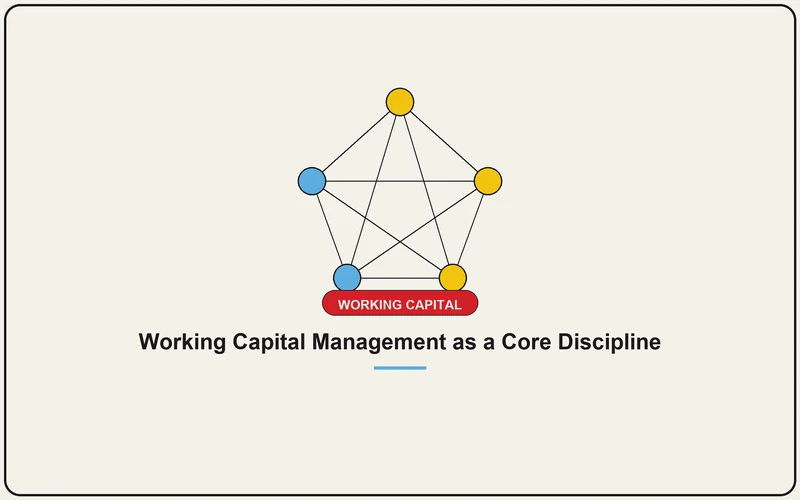
Cash flow management strategies that treat receivables, payables, and inventory as 3 separate problems often miss the bigger picture: all 3 draw from the same pool of working capital. Balancing current assets against current liabilities as a single, ongoing discipline, rather than optimizing each in isolation, keeps liquidity available exactly when the business needs it, without over-investing cash in any one area.
Controlling Operating Expenses
Closely monitoring and controlling operating expenses is essential for maintaining a healthy cash flow. Regularly reviewing expenses, identifying areas for potential cost savings, and implementing cost-cutting measures can significantly improve cash flow.
Strategic Capital Expenditures
While investing in long-term assets is necessary for growth, it’s crucial to carefully plan and prioritize capital expenditures to avoid straining cash flow. Consider the return on investment and the timing of these outlays.
Read more: Developing a Robust Business Plan for Sustainable Growth
Tools and Techniques for Monitoring Cash Flow
- Cash Flow Statement: This financial statement tracks the movement of cash both into and out of the business over a specific period, categorized by operating, investing, and financing activities.
- Cash Flow Forecast: As mentioned earlier, this projection helps anticipate future cash flows and identify potential imbalances.
- Key Cash Flow Ratios: Analyzing ratios like the current ratio, quick ratio, and operating cash flow ratio may provide insights into a company’s liquidity and ability to meet its short-term obligations.
- Regular Monitoring and Analysis: Periodically reviewing cash flow statements and forecasts, and analyzing key ratios, allows businesses to stay informed about their cash position and identify any emerging trends or issues.
Addressing Cash Flow Challenges
Even with diligent management, businesses may encounter challenges such as:
- Short-Term Cash Shortages: These typically arise due to unexpected expenses or delays in customer payments. Having a line of credit or a contingency fund may help bridge these gaps.
- Seasonal Fluctuations: Businesses with seasonal sales patterns need to plan for periods of lower cash inflow by building up reserves during peak seasons.
- Unexpected Expenses: Unforeseen events like equipment breakdowns or legal issues can strain cash flow. A contingency fund is crucial for handling such situations.
- Slow-Paying Customers: Implementing stricter credit policies, offering early payment discounts, and proactively following up on overdue invoices can help mitigate this issue.
AI-Driven Cash Flow Forecasting and Automation in 2026

Technology offers numerous tools to streamline and enhance cash flow management:
- Accounting Software (e.g., QuickBooks, Xero): Provides real-time visibility into cash inflows and outflows, automates invoicing and payment reminders, and generates cash flow statements.
- Forecasting Software (e.g., Float, Pulse): Offers advanced features for creating and analyzing cash flow forecasts, allowing for scenario planning and better decision-making.
- Payment Processing Systems (e.g., Stripe, PayPal): Facilitate faster and more efficient collection of payments from customers, improving cash inflow.
Conclusion
Mastering cash flow management is not merely a technical skill; it’s a fundamental discipline that underpins business stability and long-term success. By understanding the components of cash flow, implementing proactive management strategies, utilizing appropriate tools, and addressing potential challenges effectively, businesses can ensure they have the financial agility to meet their obligations, invest in growth, and weather any economic storms. A consistent focus on optimizing the timing and movement of cash is the hallmark of a financially sound and resilient enterprise.
Frequently Asked Questions
-
What is the difference between cash flow and profit?
Profit is an accounting measure of revenue minus expenses over a period, while cash flow tracks the actual timing of money entering and leaving the business. A business can be profitable on paper while still running out of cash if customers pay slowly or expenses are due before revenue arrives.
-
How can a business improve cash flow quickly?
The fastest levers are accelerating receivables through shorter payment terms, early payment discounts, or faster invoicing, and negotiating longer payment terms with suppliers, both of which improve the timing gap without changing overall revenue or costs. Reducing excess inventory tied up in slow moving stock is the next fastest option.
-
What is a healthy cash flow ratio for a small business?
A cash flow to debt ratio above 0.2, meaning operating cash flow covers at least 20 percent of total debt, is a commonly used benchmark for financial stability, though the right target varies by industry and growth stage. More important than a single ratio is a consistent, predictable trend over multiple quarters.