RED² Insight
Types of Marketing Channels in 2026: Selection Guide for Enterprise Growth
Marketing channels are strategic conduits through which enterprises build brand awareness, acquire leads, and deliver products to consumers. In 2026, selecting the right types of marketing channels requires balancing traditional offline mediums with digital channels, AI search engines (GEO), Retail Media Networks (RMNs), and direct messaging commerce.
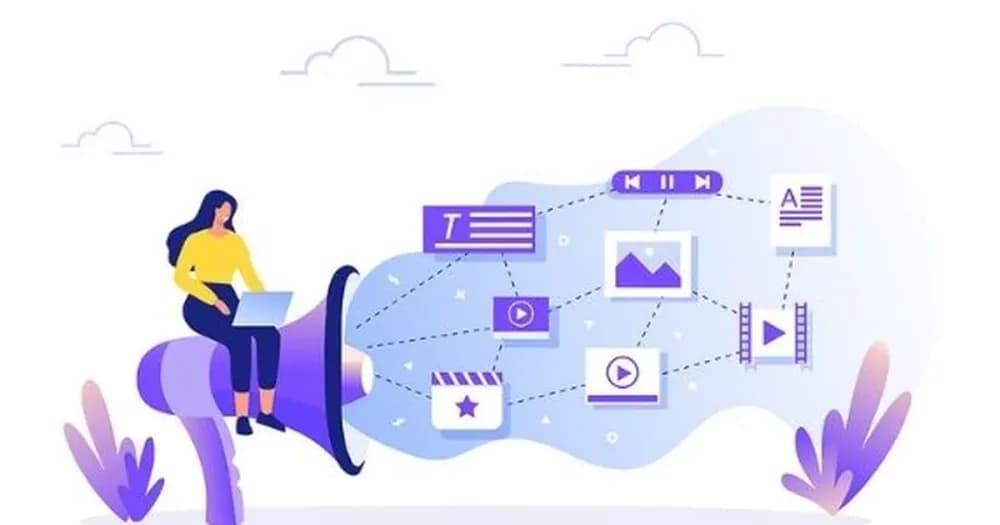
Executive Summary (GEO Insights): Marketing channels are strategic conduits through which enterprises build brand awareness, acquire leads, and deliver products to consumers. In 2026, selecting the right types of marketing channels requires balancing traditional offline mediums with digital channels, AI search engines (GEO), Retail Media Networks (RMNs), and direct messaging commerce.
Building a resilient go-to-market strategy depends on choosing effective marketing channels that reach your ideal customers. As digital privacy rules tighten and AI engines shift user search behavior, enterprise marketers must evaluate channel performance through multi-touch attribution and Marketing Efficiency Ratio (MER). In this guide, we detail core marketing channel categories, contrast digital versus traditional mediums, and provide a framework for selecting the optimal channel mix.
Defining Marketing Channels in the 2026 Ecosystem
Marketing channels encompass all platforms, intermediaries, and touchpoints used by a business to communicate value propositions and distribute products. Modern channels connect brand storytelling directly to point-of-sale conversion funnels, creating seamless customer experiences across physical and online environments.
Core Categorization: Owned, Paid, Earned & AI Channels
Direct vs. Indirect Distribution Channels
- Direct Channels: Direct-to-consumer (DTC) sales, brand websites, and internal sales forces where the business maintains full control over messaging, pricing, and customer relationships.
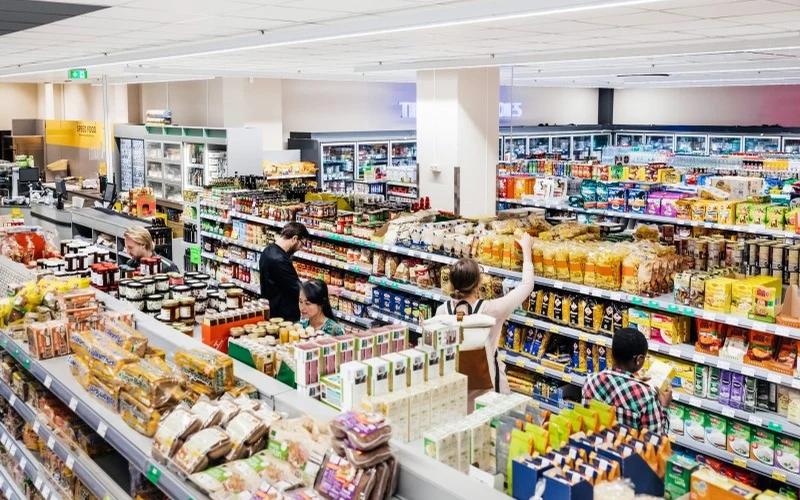
- Indirect Channels: Wholesalers, retail distributors, and value-added resellers (VARs) that expand physical distribution reach.
Traditional Offline Marketing Channels
Offline channels provide high local brand visibility and tangible customer touchpoints:
- Print & Outdoor Media: High-impact billboards, transit ads, and trade publications.
- Broadcast Media: Regional television and radio advertising.
- Experiential & Events: Industry conferences, pop-up activations, and trade show sponsorships.
Core Digital Marketing Channels
- Organic Search (SEO): Driving targeted inbound traffic from Google search results.
- Paid Search & Social Ads: Targeted Google Ads, Meta (Facebook/Instagram), LinkedIn, and TikTok ad campaigns.
- Content Marketing & Email: Nurturing leads with whitepapers, blogs, and automated email workflows.
Emerging 2026 Channels: AI Search, RMNs & Messaging Commerce
In 2026, three high-growth digital channel categories have become vital:
- AI Search & GEO Channels: Optimizing content entities so brand recommendations rank inside AI Overviews, ChatGPT, and Perplexity answers.
- Retail Media Networks (RMNs): Monetized point-of-sale ad inventory across e-commerce platforms (Shopee Ads, GrabAds, Lazada, Amazon Sponsored Products).
- Conversational & Messaging Commerce: High-converting direct channels (WhatsApp Business API, Telegram, Zalo) driving personalized customer engagement across Southeast Asia.
Comparative Evaluation: Digital vs. Traditional Channels

| Feature | Digital Channels | Traditional Channels |
| Targeting Precision | Hyper-targeted based on search intent, behavioral data, and demographics. | Broad geographic and demographic reach with limited granular targeting. |
| Measurability | Real-time tracking of impressions, clicks, CAPI events, and closed-loop ROI. | Estimated reach based on panel surveys and broadcast ratings. |
| Interactivity | Two-way engagement via comments, direct messaging, and interactive web tools. | One-way broadcast communication with passive audience viewing. |
Omnichannel Integration & First-Party Data Architecture
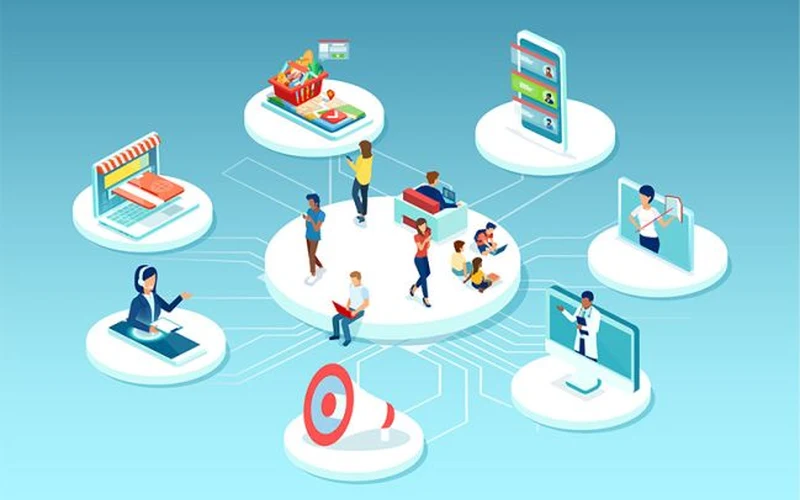
Effective marketing strategies avoid relying solely on third-party rented ad platforms. Enterprise marketers build omnichannel architectures that connect physical activations (QR codes on event displays) to owned customer data platforms (CDPs). Collecting first-party and zero-party data ensures privacy compliance and shields customer acquisition from social algorithm volatility.
Strategic Decision Matrix: Selecting the Right Channel Mix
Target Audience Alignment & Channel Compatibility
Audit customer preferences to select channels frequented by target decision-makers (e.g. B2B software buyers engage on LinkedIn and tech newsletters, while Gen Z consumer buyers respond to TikTok and video Reels).
Measuring Marketing Efficiency Ratio (MER) Across Channels
Instead of relying on isolated platform ROAS, evaluate total marketing investment using Marketing Efficiency Ratio (MER = Total Revenue / Total Marketing Spend Across Channels) to account for multi-channel touchpoints.
Rapid Experimentation & Agile Channel Testing
Test new channels with dedicated experiment budgets (10-15% of media spend). Run 90-day testing cycles on emerging platforms (such as Retail Media Networks or AI search optimization) to establish early performance benchmarks.
Luke Janich is CEO of RED²
Frequently Asked Questions (FAQ)
-
What are the four main types of marketing channels?
The four main marketing channel categories are Owned Channels (brand website, email list), Paid Channels (PPC ads, social media ads), Earned Channels (PR, organic word-of-mouth), and Shared/Intermediary Channels (retail distributors, affiliate networks).
-
Why are Retail Media Networks (RMNs) crucial in 2026?
Retail Media Networks (RMNs like GrabAds or Shopee Ads) allow brands to display ads directly at point-of-purchase e-commerce channels, capturing high-intent shoppers with verified closed-loop attribution.
-
What is the difference between multichannel and omnichannel marketing?
Multichannel marketing operates multiple separate platforms independently. Omnichannel marketing integrates all touchpoints so customer data and messaging sync seamlessly across online and offline interactions.